When to visit New Delhi: month-by-month
Delhi has roughly five good months, two brutal ones and three where the air is the problem rather than the weather — here is every month with temperatures, hotel price swings and what is actually on.
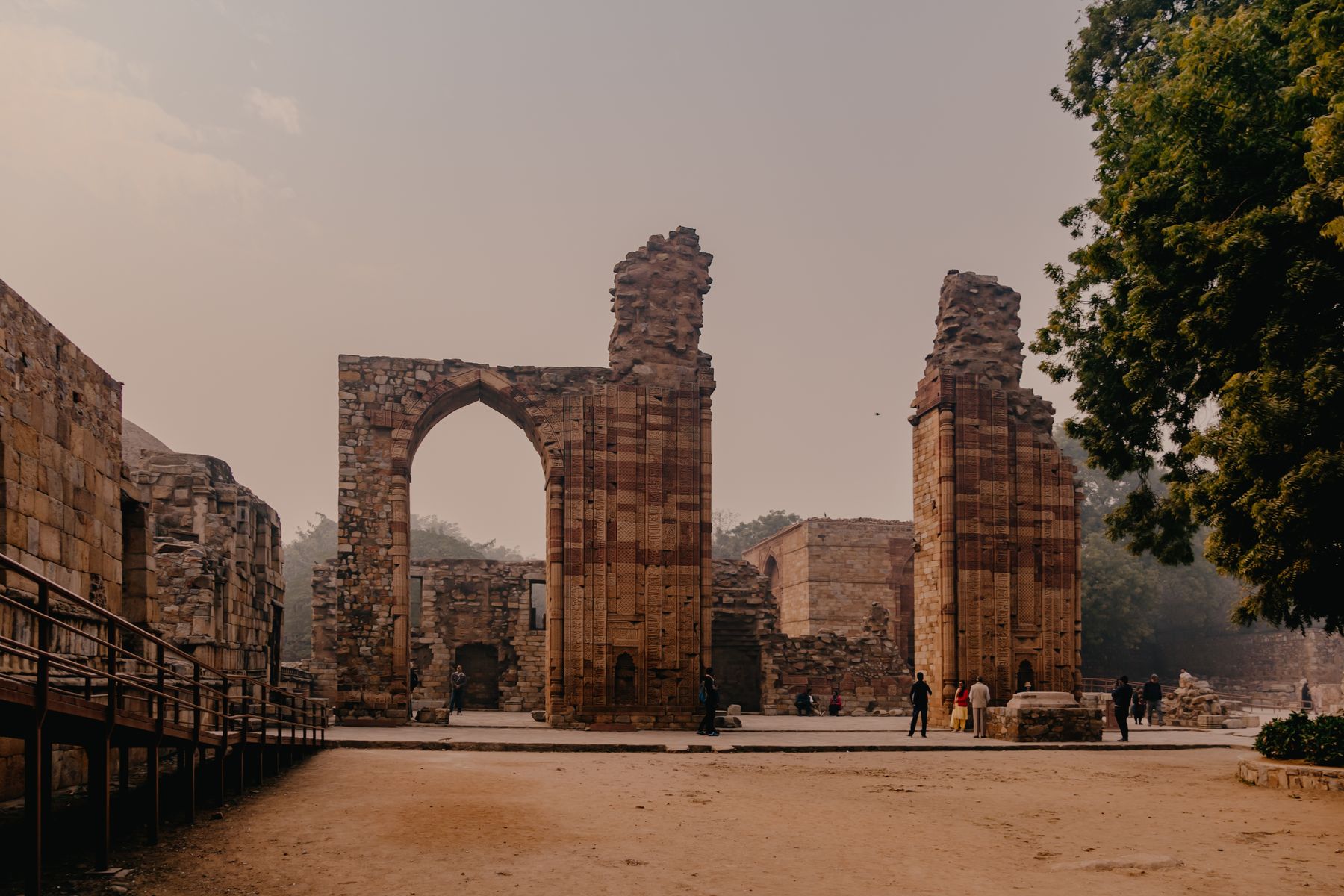
January and February: cold, foggy, and the best rates of the winter
January runs about 7°C to 20°C, with dense morning fog that regularly delays flights at Indira Gandhi International and slows trains by hours. Air quality is often very poor into mid-month. Bring a proper jacket — Delhi hotels in the mid-range often have no heating and marble floors, which is colder than the numbers suggest. Republic Day on 26 January closes central roads for days around the Kartavya Path parade, and the Beating Retreat follows on the 29th.
February is the turn. Highs climb from 22°C to 27°C, the fog clears, the air improves markedly, and Delhi's gardens are at their best — Lodi Gardens and Sunder Nursery in mid-February are the prettiest they get all year. Surajkund Mela in neighbouring Faridabad runs the first half of the month, a large crafts fair worth a half day. Hotel rates in February are 10 to 20 per cent below the October to December peak. This is my quiet pick for the whole year.
March and April: the last comfortable weeks
March is excellent: 15°C to 30°C early in the month, rising to 35°C by the end, clear skies, and everything in flower. Holi falls in early March in 2026 — the city effectively shuts for a day, most shops and many restaurants close, and travellers should know that being drenched in colour on the street is not optional if you go outside. Stay in for the morning, join a hotel or hostel event if you want the experience safely.
April is the warning shot. Highs move from 33°C to 40°C, and by the last week the middle of the day is genuinely punishing. Sightseeing still works if you finish by 11am and restart at 5pm. The compensation is price: hotel rates start dropping in mid-April, and a room that costs ₹9,000 in November goes for ₹6,000. If you can accept an early-start schedule and afternoon air conditioning, April is decent value.
May and June: do not, unless you must
May and June deliver 40°C to 45°C afternoons, with occasional heatwave spikes higher and hot dust winds. Outdoor monuments become dangerous rather than uncomfortable; the sandstone at Qutub Minar radiates heat and there is no shade. Hotel rates are at their annual floor — Aerocity rooms at ₹5,500, four-stars at ₹4,000 — but you will spend the savings on cabs because walking anywhere between 10am and 6pm is off the table.
If you are stuck with these dates, restructure entirely. Sightsee 6am to 9.30am, use the National Museum, Crafts Museum and malls from noon to 5pm, and go out again after 6.30pm when Jama Masjid, India Gate and Bangla Sahib are at their best. Mango season is the genuine consolation: from May, Delhi's fruit markets fill with dasheri, langra and chausa, and Kuremal's fruit-stuffed kulfi in Old Delhi is at its peak. Drink far more water than feels necessary.
July, August and early September: monsoon
The monsoon usually reaches Delhi in the last week of June and runs into mid-September, delivering most of the year's rain in intense bursts rather than constant drizzle. Temperatures drop to 27°C to 35°C but humidity makes it feel worse, and the city's drainage means underpasses flood and traffic seizes after heavy rain. Independence Day on 15 August brings tight security and closures around the Red Fort.
Rates are at their lowest with May and June — 30 to 40 per cent below peak — and the city looks better than at any other time: the ridge greens up, Lodi Gardens and Sunder Nursery are lush, and monuments against storm cloud photograph beautifully. Carry a small umbrella, wear sandals you do not mind ruining, and build flexible days. For a photographer or a repeat visitor who already knows Delhi, August is genuinely underrated.
Late September and October: the best window of the year
By the last week of September the rain has gone, humidity drops, and highs settle at 30°C to 34°C with clean, washed air. October is the month I would book without hesitating: 20°C to 33°C, blue skies, the best air quality of the entire second half of the year, and festival season starting. Durga Puja pandals go up in Chittaranjan Park in South Delhi, and Ram Lila performances run across the city, culminating in the Dussehra effigy burnings.
The cost is money and crowds. October is peak season, so hotels run 20 to 35 per cent above their annual average — a Saket four-star at ₹8,500, a Chanakyapuri five-star past ₹22,000 — and popular monuments are busy from 9.30am. Book six to eight weeks ahead for October dates. If you can only make one trip to Delhi, make it the first three weeks of October and accept the pricing.
November and December: the smog problem, stated plainly
November is when Delhi's air becomes a genuine health consideration. Regional crop-residue burning, cooler stagnant air and Diwali fireworks combine to push readings into the very poor and severe bands for weeks. Diwali falls in early November in 2026, and the days immediately after are usually the worst of the year. If you have asthma, are travelling with small children, or are simply cautious, avoid the first three weeks of November.
December improves slightly but not reliably, with highs of 20°C to 24°C early and fog arriving late in the month. The upside of both months is genuinely good sightseeing weather when the air cooperates, plus a festive city — Diwali lights across Karol Bagh and Chandni Chowk are spectacular. If you go, pack N95 masks, check readings each morning, prioritise indoor sights on bad days, and pick hotels with in-room purifiers.
How far ahead to book, and the wedding-season squeeze
The biggest date trap in a Delhi winter is not weather, it is wedding season. From mid-November to late February, banquet-heavy hotels in Karol Bagh, Rajouri Garden, the better end of Paharganj and parts of Greater Kailash fill on the year's auspicious wedding dates, and rates on those specific nights jump 30 to 40 per cent with almost no notice. If your trip touches that window, book three to four weeks ahead even though the weather feels like off-season, favour a hotel with no lawn or banquet hall, and read recent reviews for ‘loud until 2am’ — a wedding with a dhol and fireworks next door is the most common Delhi complaint from November to February.
For the October peak, six to eight weeks is the right lead time; leave it later and you are choosing between a poor location and a painful price. Domestic long weekends move the market too. Republic Day in late January, Holi in March, Independence Day in August, Gandhi Jayanti on 2 October and the Dussehra-to-Diwali stretch all push Delhi families out toward Agra, Jaipur and the Himachal hills — so book those day-trip and add-on hotels earlier than Delhi itself, where some business properties in Gurugram and Nehru Place actually soften on the same weekends. In the May-to-September trough a week's notice is plenty, and walk-in rates are often the lowest you will see all year.
The bad-day backup plan, with real indoor options
Delhi punishes you twice a year — smog from November to January, heat from May to June — and both are survivable if you keep an indoor half-day ready before you fly. The National Museum on Janpath and the National Crafts Museum near Pragati Maidan are the two anchors: cool, deep, and good for two to three hours each. The Kiran Nadar Museum of Art inside the Saket mall complex is free and rarely crowded. Humayun's Tomb, though outdoors, carries enough tree cover and bench shade to work in the early and late hours that pure-sandstone sites like Qutub Minar cannot, because sandstone radiates the day's heat straight back at you.
When the morning air reading crosses roughly 300 on the AQI scale, treat outdoor monuments as optional and pivot to places with real content indoors — Select Citywalk in Saket, DLF Emporio in Vasant Kunj, Ambience Mall in Gurugram — plus Bangla Sahib gurdwara, whose covered halls and free langar make an hour inside feel like a visit rather than a hide from the weather. Akshardham in East Delhi runs large indoor exhibitions and easily fills a full afternoon. Keep three or four of these in your back pocket and you can book a smog-season or peak-summer trip without writing off whole days to the sky.
The windows ranked, best to worst, with what each one costs
If you want a single ranking rather than a month grid, order the windows by what they deliver against what they cost. First is 25 September to 20 October: clean post-monsoon air, highs of 30°C to 34°C, and the year's best light — the price is that a Saket four-star runs ₹8,500 and The Leela Palace in Chanakyapuri clears ₹22,000, so book six to eight weeks out. Second is 5 to 28 February, near-identical weather for roughly 15 per cent less, gardens at Lodi and Sunder Nursery at their peak, and no smog: the quiet best-value pick of the year. Third is early-to-mid March, warm but clear and in flower, right up until Holi empties the streets for a day.
Fourth comes late March to mid-April, when highs climb to 33°C-40°C but a room that cost ₹9,000 in November drops to about ₹6,000 and mornings still work if you finish sightseeing by 11am. Fifth, and only for photographers or repeat visitors, is August: 30 to 40 per cent below peak, a green ridge and near-empty monuments, paid for in flooded underpasses and afternoon downpours. Below that, three windows to skip outright — the Diwali week in early November, when the air hits the severe band and domestic prices spike; mid-May to late June, when 45°C removes half of every day; and, if your plan leans on Rajpath or India Gate, the Republic Day cordon in the last week of January.
The verdict, by traveller
First-time visitor with fixed dates: aim for October or February and pay the difference. Budget traveller who can handle heat: late March or early April, when rates have started falling but mornings are still comfortable. Photographer or repeat visitor: August, for the green and the light and the empty monuments. Family with young children: February or early March, avoiding both the smog and the heat.
Two dates to actively avoid regardless of preference: the week around Diwali in early November, when the air is at its worst and prices spike for domestic travel, and mid-May to late June, when the heat removes half of every day. And build around two fixed civic disruptions — Republic Day in late January and Independence Day in mid-August — when central Delhi road closures and security cordons will reshape any itinerary that includes Rajpath or the Red Fort.
Questions, answered
How bad is Delhi's air pollution for a short visit?
From early November to late January, readings frequently hit the very poor to severe range. A healthy adult on a week-long trip will notice throat irritation and hazy views rather than serious harm, but anyone with asthma or respiratory conditions should shift dates or carry N95 masks and plan indoor days.
When are hotel prices lowest?
Mid-May to early September, when rates drop 30 to 40 per cent below the October-to-December peak. A four-star that costs ₹8,500 in October runs around ₹5,000 in July. February is the best compromise: near-peak weather at roughly 15 per cent under peak pricing.
Does it rain enough in monsoon to ruin a trip?
No, but it will reshape days. Rain comes in heavy bursts of one to three hours rather than all day, often in the afternoon. The problem is flooding at underpasses and the traffic that follows. Keep mornings for sightseeing and leave afternoons flexible.
Is winter a bad time to book because of Delhi weddings?
Not bad, but be deliberate. From mid-November to late February, auspicious wedding dates fill banquet hotels in Karol Bagh, Rajouri Garden and Greater Kailash and push rates up sharply on those specific nights. Book three to four weeks ahead, favour a hotel without a lawn or banquet hall, and you get excellent winter weather without the 2am dhol.
Which month has the cleanest air?
Late September and October, right after the monsoon has washed the dust out and before crop-burning season begins, with highs of 30°C to 34°C under genuinely blue skies. February and March are the next best. The dirtiest stretch is early November to mid-January, when readings often hold in the very poor band for weeks at a time.
So what is the single best time to visit New Delhi?
The first three weeks of October for weather and air, or the first three weeks of February if you want almost the same conditions for roughly 15 per cent less and thinner crowds. Both beat the November-to-January smog window and the May-to-June heat. Book October six to eight weeks ahead; February needs three to four.
Doing good is the business: every booking through Stay New Delhi funds one verified tonne of carbon removal — same room, same price, no markup.
Start Your Search