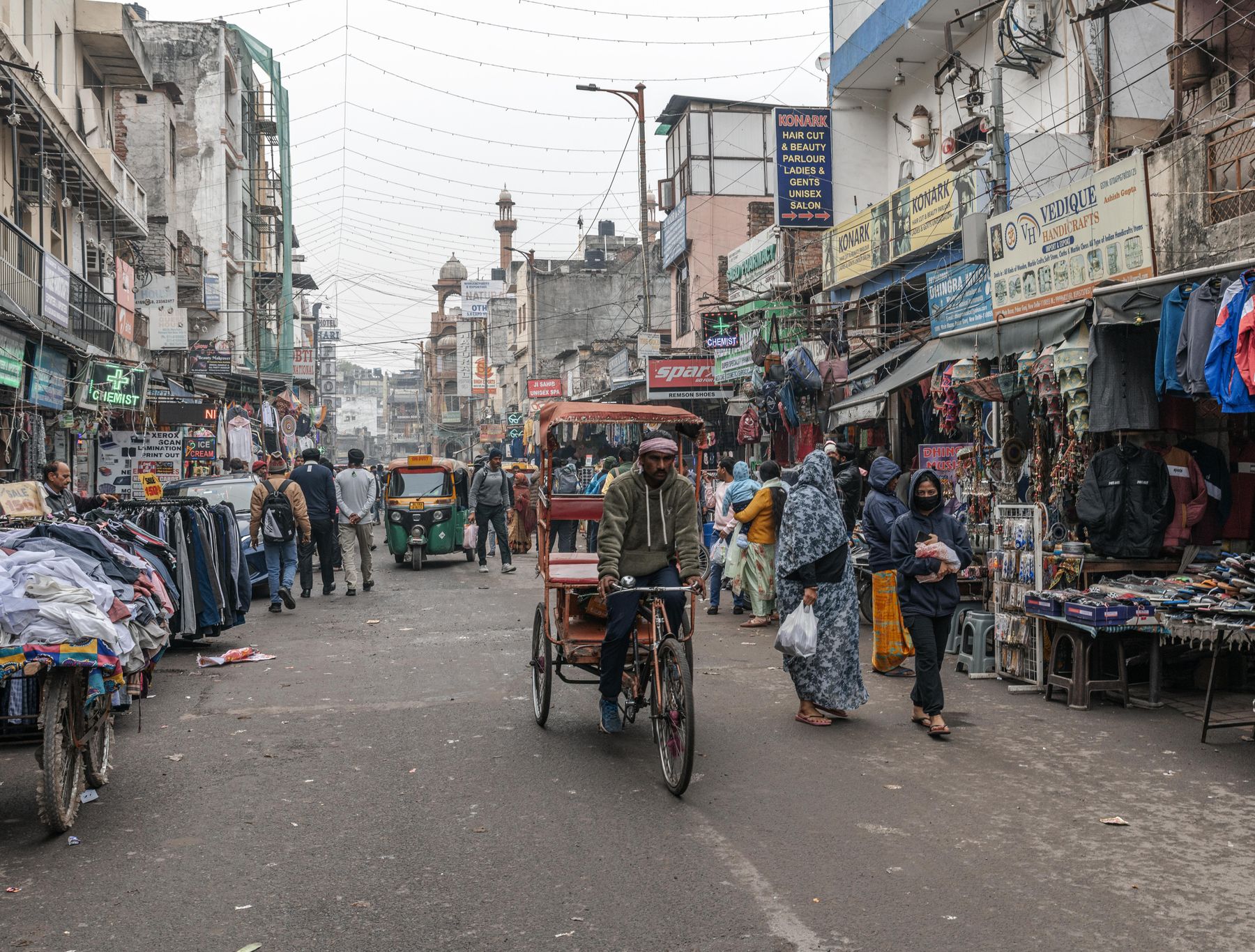
Choosing a neighbourhood that suits one traveller
For a first solo trip, base yourself in South Delhi rather than around New Delhi railway station. Hauz Khas, Green Park and Greater Kailash are calm, walkable in patches and full of small guesthouses and mid-range hotels; the Hauz Khas metro on the Yellow Line puts you twenty minutes from Connaught Place. Paharganj, just north of the station, is the cheapest cluster of rooms in the city and perfectly safe in daylight, but the lanes are noisy and pushy and I would not book it for a first night.
Aram Nagar and Mahipalpur near Indira Gandhi International are the practical choice for a very late arrival or an early flight, with plenty of airport hotels and a short cab ride to Terminals 2 and 3. Karol Bagh suits travellers who want bazaars and street food on the doorstep. Budget rooms cluster in Paharganj and Karol Bagh, mid-range in Hauz Khas and Greater Kailash, and the quietest upscale options sit in Chanakyapuri and around Lodhi Garden.
Getting in from the airport and moving around
The Airport Express line runs from Terminal 3 to New Delhi station via Shivaji Stadium and Dhaula Kuan in roughly twenty minutes, and it is the easiest arrival if you land before about 11pm. From Terminal 1 you need a shuttle or a cab to reach it. Prepaid taxi counters inside the terminals give a fixed fare to the city centre; app cabs are cheaper but pickup points at T3 are in the multi-level car park, which is worth knowing before you start walking with a bag.
Within the city the Delhi Metro is fast, cheap and air-conditioned, with the Yellow Line linking Hauz Khas, AIIMS, Lodhi Garden and Rajiv Chowk, and the Violet Line running to Khan Market and Lal Qila. Stations have security screening and women-only carriages at the front of each train. For short hops after dark, app cabs are simpler than auto-rickshaws, and always agree the fare before an auto moves.
Timing your days and your season
October to March is the comfortable window, with December and January cold enough for a jacket in the evening and mornings foggy enough to delay flights. April to June is hot, often above 40C, so sightseeing compresses into early mornings. Late June to September brings the monsoon: heavy but usually short downpours, lower room rates and a green, humid city. If you are booking for a specific month, check whether your hotel has a generator, because summer power cuts are common.
Plan monuments early. Humayun's Tomb and the Qutub Minar complex are at their best before 10am, and the Lodhi Garden circuit is a pleasant two-hour walk any morning. Most monuments close on Mondays or Fridays depending on the site, so check before you travel across the city. Old Delhi is a half-day: Chandni Chowk, the lanes behind Jama Masjid and a stop at Karim's or a vegetarian thali house nearby. Sunday is the quietest day for the Red Fort area.
Everyday etiquette and staying comfortable
Dress modestly for religious sites: shoulders and knees covered, shoes off at mosques and temples, and a scarf useful at Gurudwara Bangla Sahib, where you also cover your head. Ask before photographing people, especially in Old Delhi's markets, and accept that staring happens; a polite nod usually ends it. English is widely spoken in hotels, metro staffed counters and upmarket shops, less so in bazaars, where a few words of Hindi go a long way.
Eat freshly cooked hot food, drink bottled or filtered water, and carry hand sanitiser. Tipping is not expected in shops but a small note is welcome in restaurants and for hotel housekeeping. Keep a card and some cash separate, use hotel safes for your passport copy and leave the original in the room only if the safe is solid. Registration demand for New Delhi hotels is strong right now, so book your first two nights before you fly and choose a place within walking distance of a metro station.
Where to book, and what to skip
If I were booking this week for a solo traveller arriving in daylight, I would take a mid-range guesthouse in Hauz Khas Village or Green Park, within about ten minutes' walk of Hauz Khas metro. It gives you cafés, a bookshop or two and the deer park for a morning run, and the Yellow Line reaches Rajiv Chowk in about twenty minutes. For a red-eye landing, I would book one night near Aerocity instead and move into the city the next morning.
Skip the Delhi Haat craft market if you are short on time and want shopping done quickly; Khan Market and the Central Cottage Industries Emporium at Janpath are more efficient. Skip a day trip to Agra unless you have a full day and an early start, since the Yamuna Expressway takes around three and a half hours each way. And skip any hotel that cannot confirm a 24-hour reception when you land after midnight.
Questions, answered
Is New Delhi safe for a solo traveller?
Yes, with ordinary urban caution. Stay in well-lit hotel areas such as Hauz Khas or Chanakyapuri, use app cabs after dark, avoid empty streets late at night and keep valuables in the hotel safe. Petty theft and persistent vendors are the main issues rather than violent crime.
Which area should I book for a first solo trip?
Hauz Khas or Green Park on the Yellow Line, for walkable streets, cafés and easy metro access. Choose Mahipalpur or Aerocity for a late-night landing, and Karol Bagh for bazaars. I would skip Paharganj for a first night because the lanes are crowded and noisy.
How do I get from Delhi airport to my hotel?
Take the Airport Express from Terminal 3 to New Delhi station, about twenty minutes, or use the prepaid taxi counter inside arrivals for a fixed fare. App cabs are cheaper but pick up at the T3 car park. Allow extra time during fog in December and January.
Doing good is the business: every booking through Stay New Delhi funds one verified tonne of carbon removal — same room, same price, no markup.
Start Your Search