New Delhi in November: A Wheelchair User's Travel Guide
November brings Delhi its cleanest air and kindest temperatures, and with a little planning around curbs, kerbs and station lifts, it is a genuinely workable month to roll through the capital.
Why November works, and where to base yourself
November is the sweet spot between October's residual heat and December's fog: daytime highs settle around 25-28°C, mornings are cool enough for a light jacket, and the monsoon's potholes have dried out. Air quality, while still poor by international standards, is usually at its least severe before the late-month crop-burning spike. For wheelchair users this matters practically: fewer extreme temperatures means less fatigue on long outdoor stretches at Humayun's Tomb or Lodhi Garden, and drier pavements mean fewer flooded kerb cuts to negotiate.
Base yourself in Lutyens' Delhi rather than the older walled city. The wide, tree-lined avenues of Connaught Place, Gol Market and Khan Market have better pavements, more dropped kerbs and easier taxi access than Paharganj or Chandni Chowk, whose narrow lanes and steps make independent movement genuinely difficult. Hotels around Janpath and Windsor Place tend to have ramps, wide lobby doors and lifts, and they put you within 15-20 minutes of most major sights. I would book a property on or just off Janpath for a first visit.
Getting around: metro, taxis and the last mile
The Delhi Metro is the single most useful asset for a wheelchair user in the city, but not every station is equal. All stations have lifts to platform level, yet the gap between train and platform varies and busy interchange stations such as Rajiv Chowk and Kashmere Gate get crowded enough that staff assistance is worth requesting at the customer-care desk. The Airport Express from IGI Terminal 3 to New Delhi station is smooth and step-free at both ends. Buy a stored-value card rather than queueing for tokens each time.
For surface travel, app-based cabs are far easier than the metro for door-to-door trips to Humayun's Tomb, Qutub Minar or the Lotus Temple. Ask for a sedan rather than a hatchback; the boot swallows a folding chair and the rear doors open wider. Autos are cheaper but awkward to board and expose you to traffic fumes, so I would skip them. Expect 20-40 minutes between central Delhi and Qutub Minar depending on traffic, and always build in a buffer.
Sights that genuinely work, and ones to skip
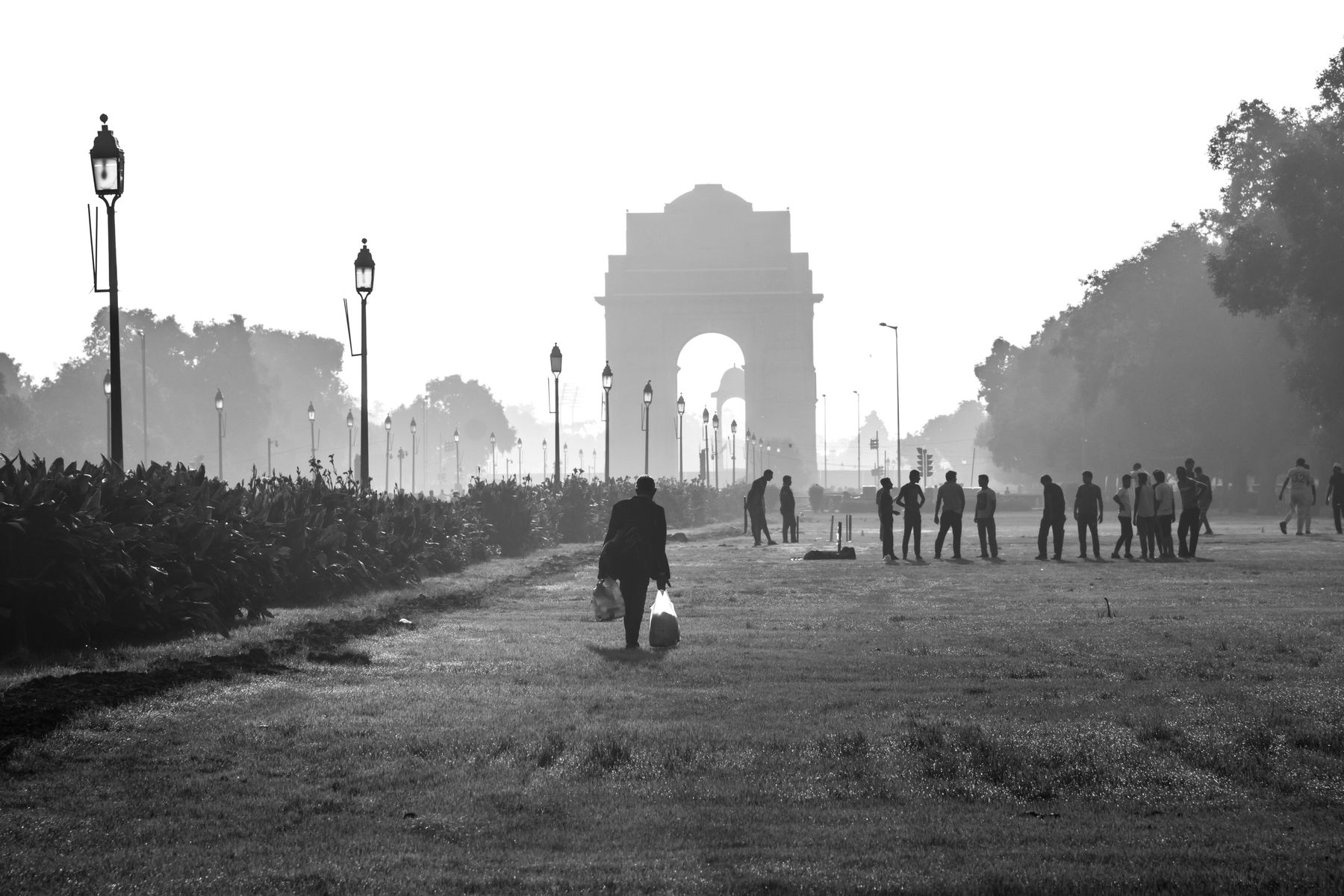
Humayun's Tomb has a ramped approach and paved main paths, and the gardens are largely level, though some side gateways have steps. Lodhi Garden is excellent: flat tarmac paths, benches at frequent intervals, and no admission fee. The Red Fort's Lahori Gate entry has a ramp and the main courtyard is navigable, but the inner palace buildings involve steps and narrow doorways. India Gate and the Kartavya Path stretch are wide, flat and pleasantly cool in the morning. The Lotus Temple has a lift and level approach, though queues can be long.
Skip Chandni Chowk's pedestrianised main street on a first visit: the restored stretch looks inviting but is thronged with cycles and handcarts, and the surrounding katras are step-heavy. Jama Masjid's courtyard requires climbing a broad flight of stairs, so it is best admired from outside. Avoid trying to combine three sights in a day; Delhi's distances deceive. Two is realistic, with a long lunch in Khan Market between them.
Practicalities: timings, costs and what to book
November days are short by Delhi standards, with usable daylight roughly from 7am to 5.30pm, so start early. Mornings are best for outdoor monuments; afternoons suit air-conditioned museums such as the National Museum on Janpath, which has a lift and accessible toilets. Carry small notes for tips and autorickshaw fares, and keep a light scarf for dust. Hotel rates in November climb sharply because the wedding and tourist season overlaps; booking six to eight weeks ahead usually secures better rooms and confirms accessible room types, which are limited in number.
Ask your hotel in writing to confirm a roll-in shower and a room on a low floor near the lift, because 'accessible' in Indian hotel listings can mean only a grab bar. Khan Market and Connaught Place have clean accessible washrooms in the larger cafés. For a side trip, Agra is roughly a three-and-a-half-hour drive on the Yamuna Expressway, though the Taj Mahal's approach involves distances better done with a hired wheelchair. I would keep a first Delhi trip focused on the city itself.
Hotels in Delhi
Questions, answered
Is November a good month for wheelchair travel in New Delhi?
Yes. Temperatures of roughly 25-28°C and dry pavements make it one of the most comfortable months for outdoor sightseeing. Air quality is usually better than in December, though late November can see a deterioration, so check conditions before travelling.
Which New Delhi neighbourhood is easiest for a wheelchair user?
Lutyens' Delhi, particularly around Janpath, Windsor Place and Khan Market, offers wider pavements, dropped kerbs and hotels with ramps and lifts. Paharganj and Chandni Chowk's lanes are narrow, stepped and crowded, and are best avoided as a base.
Does the Delhi Metro work for wheelchair users?
Every station has lifts to platform level, but platform gaps vary and interchanges like Rajiv Chowk get very busy. Request assistance at the customer-care desk, travel outside peak hours where possible, and use the step-free Airport Express from Terminal 3.
Doing good is the business: every booking through Stay New Delhi funds one verified tonne of carbon removal — same room, same price, no markup.
Start Your Search