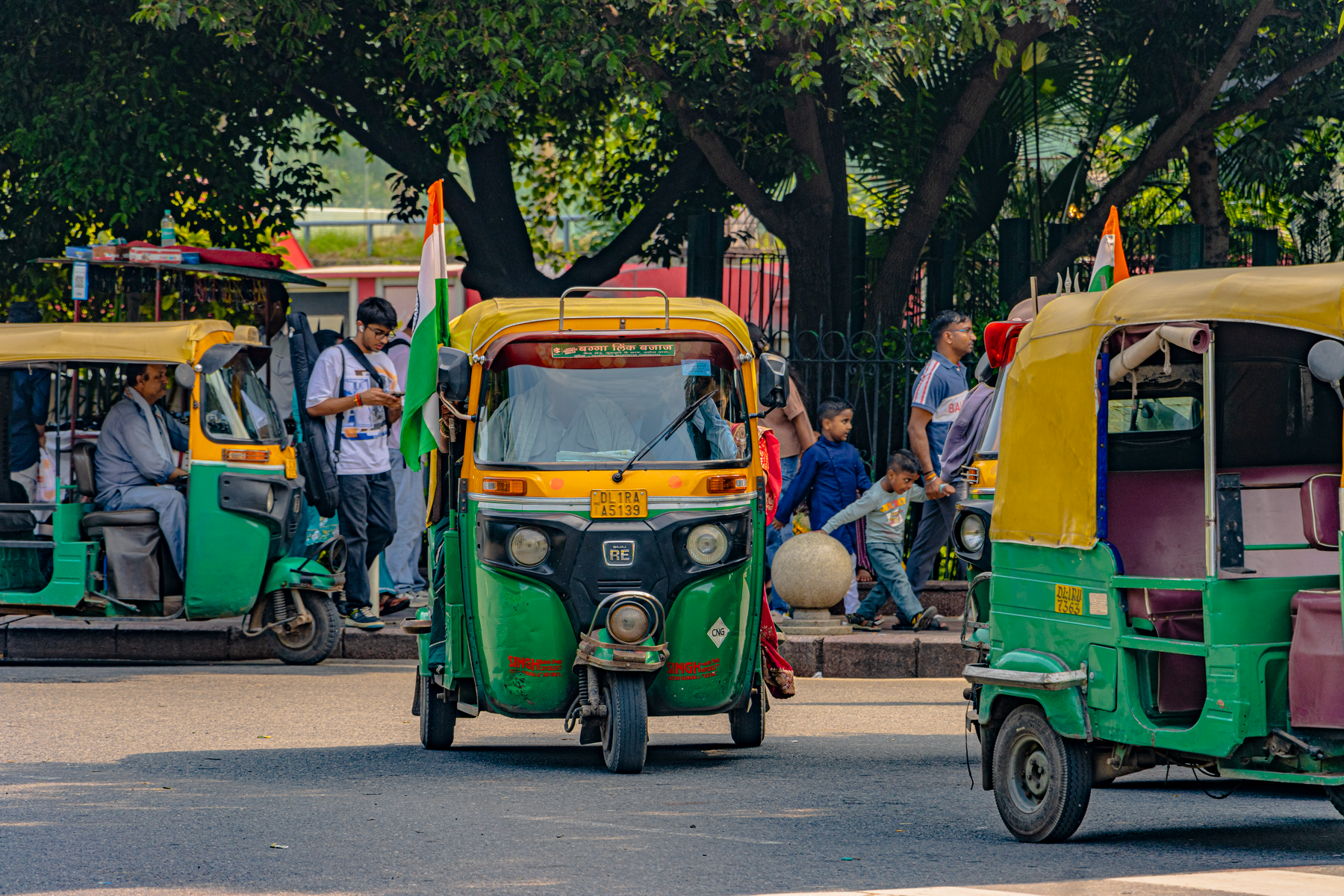
Walking and Street-Level Tours
Walking tours are the best way to grasp Old Delhi's density. Operators like Delhi by Locals and Explore Culture and Tours run morning walks through Chandni Chowk's lanes, starting near the Red Fort's Lahori Gate. Groups are small, typically 6–10 people, and last 2–3 hours. You'll cover about 2 km at a gentle pace, stopping at spice markets and historic havelis. Book directly with the operator; rates vary, so check before you go. Wear closed shoes and carry water—the lanes are uneven and crowded. I'd choose Delhi by Locals for their focus on everyday life rather than monument checklist.
For a broader overview, consider a half-day city walk covering New Delhi's colonial core. Tours often begin at Rajiv Chowk metro station (exit 3) and wind through Connaught Place's white colonnades before heading to Agrasen ki Baoli, a stepwell tucked behind Hailey Road. These walks run year-round, but October to March is most comfortable; summer afternoons exceed 40°C. Expect 3–4 hours of slow walking with breaks. Groups are usually capped at 12. If you have limited time, this is the one I'd book first—it gives you orientation and stories you won't get from a guidebook.
Cycle Rickshaw and Food Tours
Cycle rickshaw tours offer a breezy way to cover more ground in Old Delhi without exhausting yourself. Several operators, including Travel Engineers, run evening rides that start near Jama Masjid and loop through Chawri Bazaar and Fatehpuri. Rides last about 90 minutes and cost a fraction of a car tour; confirm the price when booking. The rickshaw seats two, and you'll weave through traffic—thrilling but not for the faint-hearted. Helmets aren't standard, so ask if you need one. I'd recommend this for photographers who want eye-level street shots without walking for hours.
Food walks are a highlight for many visitors, but choose carefully. Reputable operators like Sundus Travel and Tour and Bonjour India Travel lead small-group tastings in Chandni Chowk and Ballimaran, focusing on hygiene and vegetarian options. Tours typically run 3 hours and include 6–8 tastings—from chaat to kebabs. Avoid any tour that promises 'secret' stalls; stick to established shops. Dietary restrictions? Mention them at booking. I'd book a morning food walk rather than evening—the lanes are cooler and less chaotic, and you'll see vendors prepping. Check before you go for exact meeting points.
Day Trips and Special Interest Tours
For a break from the city, day trips to nearby sites are popular. Cougar Motorsport runs guided drives to the Qutub Minar complex and Mehrauli Archaeological Park, combining Mughal history with village lanes. The drive from central New Delhi takes 45–60 minutes, depending on traffic. Tours last 4–5 hours and include a guide. Alternatively, Ren Tours, Treks & Expeditions offers walking-focused trips to the Sunder Nursery gardens near Nizamuddin—a peaceful escape with Mughal-era monuments. Both are worthwhile, but I'd pick Sunder Nursery for a relaxed half-day; it's less crowded than Qutub on weekends.
Special interest tours cater to niche tastes. SKH Global Travels Pvt. Ltd organises photography walks in Old Delhi and Nizamuddin, focusing on architecture and street life. These run at dawn or dusk for best light and last 3 hours. Groups are small, often 4–6 people. For those interested in textiles, Explore Culture and Tours leads visits to the crafts museum and nearby weaver clusters—but confirm the itinerary, as some workshops are demonstration-only. Book at least a week ahead in peak season (October–March). I'd skip multi-day packaged tours; you can see the main sights independently and use guided time for deeper dives.
Practical Tips for Booking and Enjoying Tours
New Delhi's traffic is notorious, so plan your tour start times realistically. Morning tours (7–9 am) avoid the worst jams and the heat. Metro is often faster than road transport for reaching meeting points—Rajiv Chowk, Chawri Bazaar and JLN Stadium stations are common starts. Carry small change for rickshaws and snacks. Most operators require advance booking, especially for food walks and day trips; book 2–3 days ahead in low season (April–September) and a week ahead in peak season. Check cancellation policies before you pay—some operators refund fully with 48 hours' notice, others don't.
What to skip? Avoid tours that promise to cover Old and New Delhi in a single half-day—you'll spend more time in traffic than sightseeing. Also skip any tour that includes shopping stops unless you specifically want them; they eat into sightseeing time. Dress modestly for religious sites (shoulders and knees covered), and always ask before photographing people. Finally, don't rely on hotel concierges for the best guides—they often push preferred partners. Book directly with operators like Delhi by Locals or Travel Engineers for transparent pricing. And remember to book your hotel early, especially in winter, when demand peaks.
Related articles
Hotels in Delhi
Questions, answered
How far in advance should I book a guided tour in New Delhi?
For most walking and food tours, book 2–3 days ahead in low season (April–September) and 5–7 days ahead in peak season (October–March). Day trips and special interest tours may need a week's notice. Always confirm availability directly with the operator.
What should I wear on a New Delhi walking tour?
Comfortable closed shoes are essential for uneven lanes. Dress modestly—shoulders and knees covered—especially if visiting religious sites. Light, breathable fabrics work best; carry a hat and sunscreen. Avoid flip-flops or sandals that offer little support.
Are food tours in Old Delhi safe for vegetarians?
Yes, many operators like Sundus Travel and Tour cater to vegetarians. Inform them at booking. Stalls are chosen for hygiene, but if you have a sensitive stomach, stick to freshly cooked items and avoid raw salads or cut fruit.
Which is better: a cycle rickshaw tour or a walking tour in Old Delhi?
Cycle rickshaw tours cover more ground with less physical effort, ideal for hot days or limited mobility. Walking tours offer deeper immersion and access to narrow lanes. Choose rickshaw for a breezy overview; walking for detailed exploration. Both last 2–3 hours.
How do I get to the meeting point for most tours?
Most tours start near metro stations: Rajiv Chowk for Connaught Place walks, Chawri Bazaar for Old Delhi food tours, and JLN Stadium for Sunder Nursery. Use the metro to avoid traffic. Allow extra time for finding the exact spot—ask the operator for a landmark.
Do guided tours include entry fees to monuments?
Most walking and food tours do not include monument entry fees; you'll pay separately at sites like the Red Fort or Jama Masjid. Day trips often include fees, but confirm when booking. Always carry cash for tickets, as card acceptance varies.
What's the best time of day for a photography tour?
Early morning (6–8 am) or late afternoon (4–6 pm) offer the best light and fewer crowds. Dawn tours capture markets waking up; dusk tours are great for atmospheric shots in Chandni Chowk. Avoid midday when light is harsh.
Can I customise a private tour with a local operator?
Yes, most operators like Delhi by Locals and Bonjour India Travel offer private tours tailored to your interests, such as architecture, textiles or food. Expect higher rates than group tours. Discuss your preferences and mobility needs when booking.
Doing good is the business: every booking through Stay New Delhi funds one verified tonne of carbon removal — same room, same price, no markup.
Start Your Search