A Vegetarian Food Day in Karol Bagh, New Delhi, in November
How to build a full day of meat-free eating around Karol Bagh's metro stops, gurdwara kitchens and sweet shops, with realistic timings for a November visit.
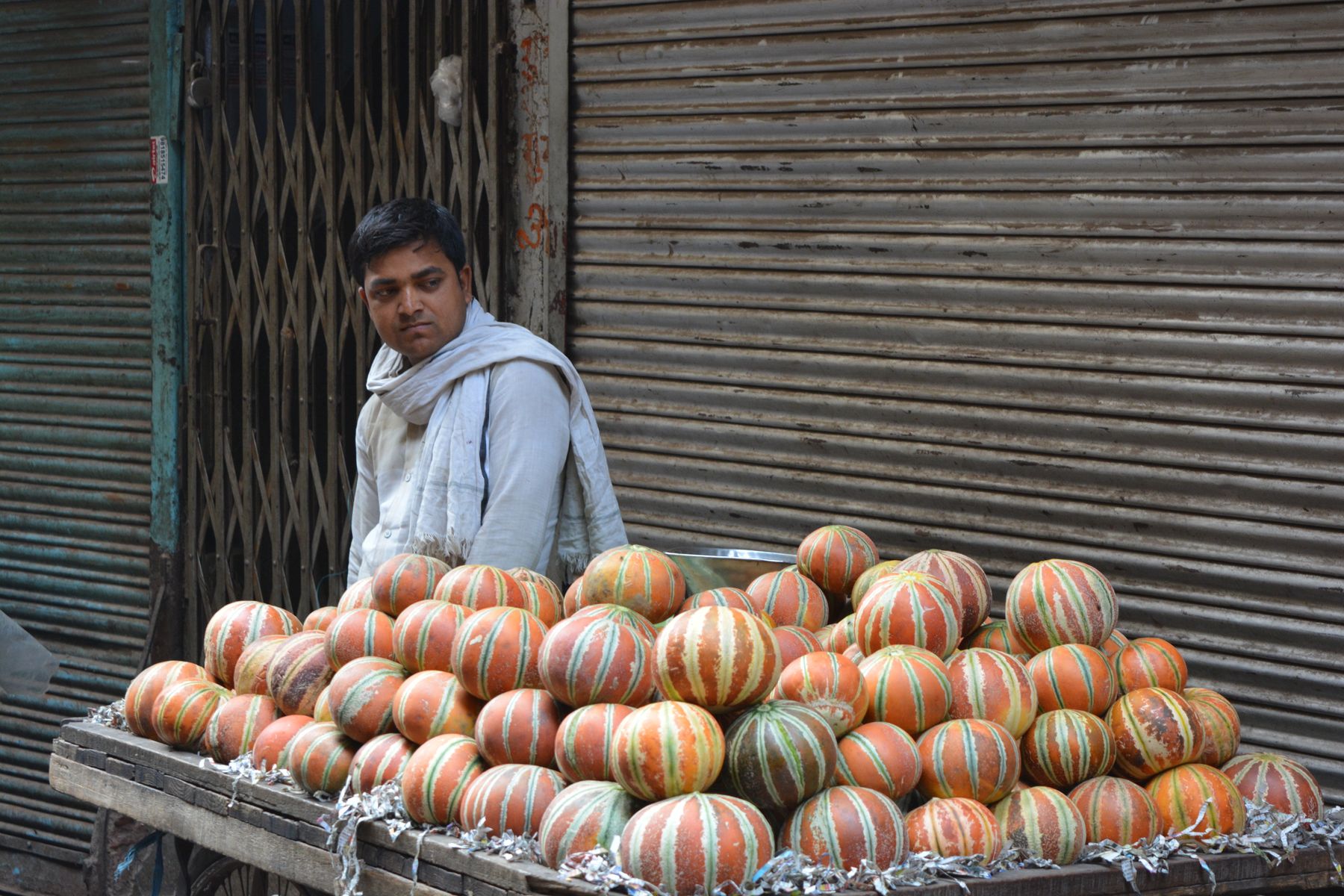
Morning: Ajmal Khan Road and the sweets before the crowds
Start at 8am, when Karol Bagh is still mostly delivery scooters and shopkeepers rolling up shutters. Take the Blue Line to Karol Bagh station and exit toward Ajmal Khan Road. November mornings sit around 15-18°C, cool enough to walk comfortably but warm by noon, so do your street browsing early. Chole bhature stalls along the lanes off Ajmal Khan Road open by 8.30am and a plate typically runs 60-120 rupees; the bhature are fried to order, so expect five minutes at the counter rather than a sit-down meal.
Walk north to Gaffar Market's edge and turn into the narrower lanes toward Saraswati Marg for the sweet shops. Look for shops selling kalakand, sohan papdi and gajar halwa; a 250-gram box of barfi generally falls between 150 and 300 rupees depending on the shop and the milk content. Buy whatever you plan to carry, then keep moving — the market gets genuinely crowded after 11am and the pavements are uneven, so sturdy shoes matter more than any guidebook tip.
Midday: a langar lunch and the Metro as your spine
Gurdwara Bangla Sahib on Ashoka Road is roughly 5km east of Karol Bagh, about 20 minutes by auto-rickshaw in light traffic or 25 minutes on the Blue Line to Rajiv Chowk plus a 15-minute walk. The langar hall serves free vegetarian food to anyone who covers their head and removes shoes; queues move quickly between 12pm and 1.30pm, and the experience is worth the detour even on a short trip. Men should carry a handkerchief or scarf for head covering; both are available at the counter.
If you would rather stay local, the lanes behind Karol Bagh's Arya Samaj Road hold small South Indian counters doing idli, vada and dosa from about 90 to 160 rupees, plus thali places on Padam Singh Road where a full vegetarian thali lands around 200-350 rupees at lunch. I would book a hotel within a 10-minute walk of the Karol Bagh Metro station rather than deeper into the residential blocks — you will use the Blue Line repeatedly, and the difference in walking time adds up over four or five days.
Afternoon: chaat, chai and a slow hour
Between 2pm and 4pm, hit the chaat. Papri chaat, dahi bhalla and gol gappa are best eaten where they are assembled, not carried away. Expect 50-100 rupees a plate. Hygiene varies enormously from stall to stall; choose the busiest counter with visible turnover, drink bottled or filtered water, and skip cut fruit that has been sitting out. November is kind to this kind of grazing because the heat does not spoil the appetite, and Diwali usually falls in late October or early November, so the market is decorated but noticeably calmer in the days afterwards.
For a seated break, the small tea shops along Ajmal Khan Road pour strong, milky chai for 20-40 rupees a glass. Sit, recharge your phone, and plan the evening. Note that many shops close on Monday, and a few businesses observe a weekly half-day; if a specific sweet shop matters to you, plan around Tuesday to Sunday. Cash still works better than cards at small counters, so keep a few hundred rupees in smaller notes.
Evening: a proper dinner and getting back
For dinner, head toward the Karol Bagh–Rajendra Place stretch, where Punjabi vegetarian cooking dominates: dal makhani, paneer butter masala, seasonal saag and tandoori roti. A two-person vegetarian dinner at a mid-range restaurant typically runs 700-1,400 rupees, less at the smaller family places. Order less than you think you need; portions are generous and breads are heavy. Skip the international chain restaurants on Ajmal Khan Road — you can eat those anywhere, and the local kitchens are the point of the day.
Getting back is easy: the Blue Line runs until roughly 11pm from Karol Bagh toward Rajiv Chowk, and app-based cabs are plentiful until late. From Karol Bagh to Indira Gandhi International Airport is about 15-20km and takes 30-50 minutes depending on traffic, so allow a buffer for an early flight. November air quality can be poor, particularly in the last two weeks of the month, so travellers with respiratory sensitivities should check the AQI forecast and consider a mask.
Hotels in Karol Bagh
Questions, answered
Is Karol Bagh a good area to stay for a vegetarian traveller?
Yes. The neighbourhood has a dense concentration of vegetarian Punjabi, South Indian and chaat options within walking distance, plus a Blue Line Metro station. Book within 10 minutes' walk of the station for the easiest access to the rest of Delhi.
How do I reach Karol Bagh from Delhi Airport?
It is about 15-20km. A pre-booked cab takes 30-50 minutes depending on traffic, and the Airport Express plus a Metro change at New Delhi station is cheaper but slower with luggage. Allow extra time in the evening peak.
What is November weather like in New Delhi?
Mornings are cool, around 15-18°C, warming to the high twenties by afternoon. Rain is unlikely. Air quality tends to worsen in the second half of the month, so check daily AQI readings if you are sensitive to pollution.
Is the food at Gurdwara Bangla Sahib really free?
Yes, the langar is served free to all visitors as part of the gurdwara's tradition. Cover your head, remove your shoes, and sit on the floor to eat. Donations are optional and go toward running the kitchen.
How much should I budget for a day of vegetarian eating in Karol Bagh?
Roughly 600-1,200 rupees per person covers breakfast, chaat, chai and a sit-down dinner at a mid-range restaurant, excluding alcohol. Street plates cost 50-120 rupees; restaurant dinners for two run 700-1,400 rupees.
Is the Karol Bagh Metro station well connected?
It sits on the Blue Line, which runs to Rajiv Chowk, New Delhi station area and onward to Noida and Vaishali. Trains run until roughly 11pm. Buy a stored-value card to avoid queues at ticket machines.
When is Diwali and will it affect my trip?
Diwali usually falls in late October or early November. Expect decorated markets, some shop closures on the main day, and heavier crowds in the days before. The week after is generally quieter and pleasant.
Should I drink tap water or eat cut fruit from stalls?
Stick to bottled or filtered water and avoid cut fruit that has been sitting out. Choose busy stalls with high turnover. If you have a sensitive stomach, ease into street food rather than starting with it on day one.
Doing good is the business: every booking through Stay New Delhi funds one verified tonne of carbon removal — same room, same price, no markup.
Start Your Search